Beginners Guide to Rampage in Magic The Gathering

Hey there, fellow Planeswalkers! Today, we’re gonna explore a thrilling mechanic in MTG that’ll have you stomping, roaring, and causing some serious mayhem on the battlefield – it’s time to talk about Rampage!

What is Rampage?

So, what exactly is Rampage, you ask? In MTG lingo, Rampage is a good ol’ mechanic that hails from the bygone era of Legends, the expansion set that defined a whole new realm of imagination and magic. Born in the ancient year of 1994, Rampage is a keyword ability that showcases the raw power and untamed spirit of the creatures it blesses.

At its core, Rampage is all about getting stronger the more opposition it faces. Think of it as a creature’s primal determination to prove its worth and might. The more foes it has in its way, the more it grows in strength, smashing through blockers and leaving a trail of destruction behind.

Rampage in Action

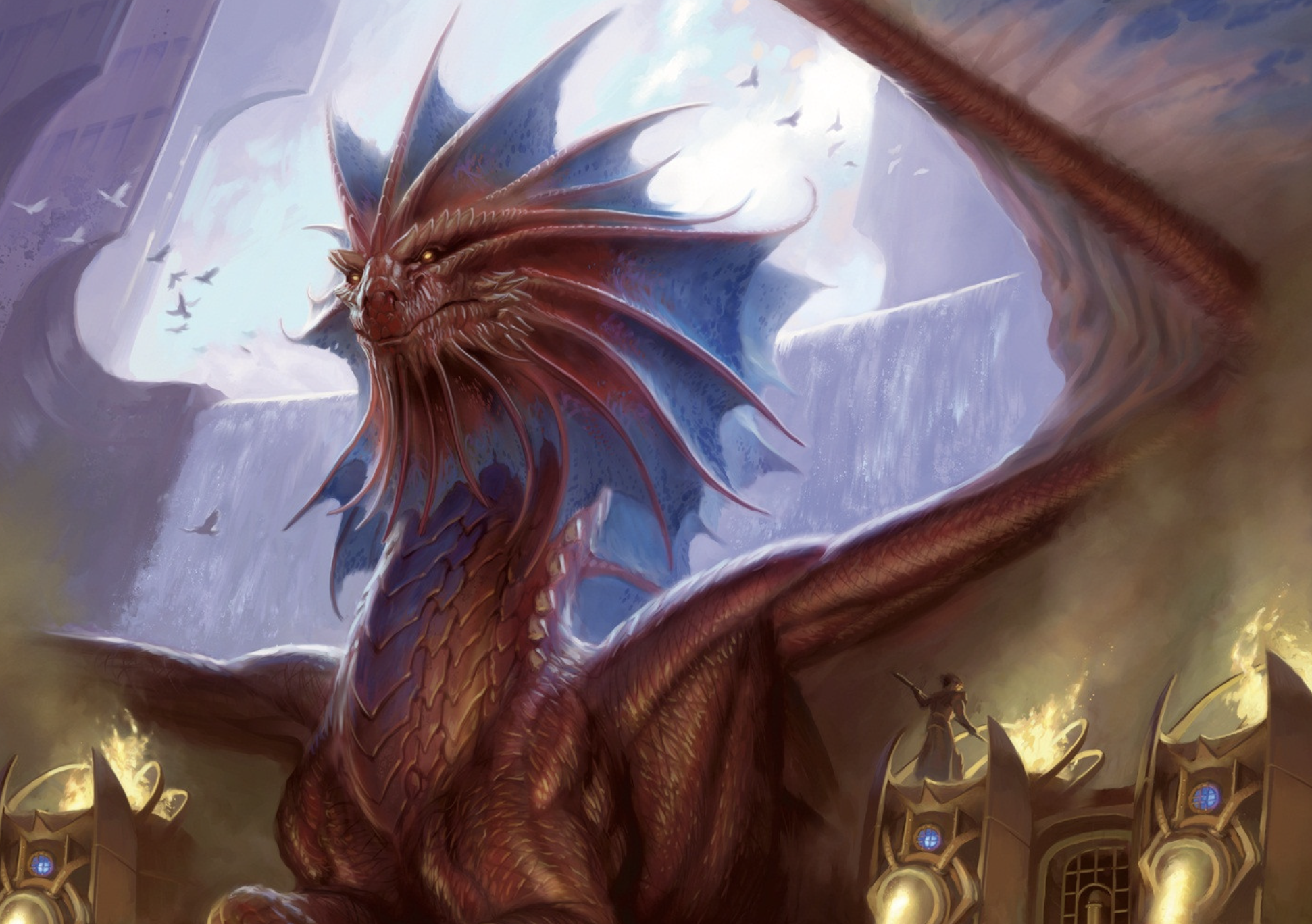
Imagine you’re summoning a mighty dragon onto the battlefield. A creature with Rampage 3, for instance. This means that for each creature blocking the dragon, it gets +3/+3. Now, that’s some serious firepower! It’s as if the dragon is challenging its adversaries to come at it, only to emerge even fiercer in the midst of the chaos.

One of the coolest aspects of Rampage is that it perfectly embodies the spirit of MTG – adaptability and unpredictability. The mechanic may not be as prevalent as it once was, but when it shows up, you can bet it leaves a lasting impact. It keeps players on their toes, reminding us that there’s always something new to discover, even in the older sets of the game.

Exploring the Beasts of Rampage

Now, let’s delve into the heart of the Rampage mechanic and explore some of the wildest and most magnificent creatures to have ever graced the MTG universe.

1. Sivitri Scarzam

This legendary creature from Legends was one of the first to wield the power of Rampage. With Rampage 2, she embraces the “go big or go home” philosophy, growing even stronger with each challenger. Not to mention, her wickedly cool name adds an extra layer of allure to her card.

2. Lhurgoyf

This iconic beast is like the poster child for Rampage. From the classic Ice Age expansion, Lhurgoyf is a force of nature. Its power and toughness are equal to the number of creatures in all graveyards combined! So, the more carnage, the merrier!

3. Archery Training

Oh, so you thought Rampage was just for creatures? Think again! Archery Training, also from Legends, is an enchantment that gifts creatures you control with the ability to shoot an arrow at attackers, dealing them 1 damage for each attacking creature. It’s like having a troop of skilled archers ready to strike!

4. Tornado Elemental

Journeying into more modern territory, Tornado Elemental from Commander 2014 is a perfect example of the Rampage mechanic’s ongoing allure. With a Rampage of 2, this elemental powerhouse will blow away your opponent’s defenses, leaving their battlefield in ruins.

5. Xenagos, God of Revels

Not to be outdone, the infamous Planeswalker, Xenagos, embraces the Rampage spirit in the Theros expansion. His +X/+X ability grants a creature trample and bonus power, making him the life of the party that boosts your other creatures to legendary proportions.

6. Ulasht, the Hate Seed

Ravnica, City of Guilds, introduced us to this colossal elemental Hydra. With Rampage 1, Ulasht gleefully punishes your opponent’s blockers while also allowing you to populate for double the trouble!

Embrace the Rampage: Unleash the Beast Within

While Rampage may not be the most omnipresent mechanic in MTG, it brings a sense of nostalgia and awe-inspiring moments to the game. It showcases the designers’ creative prowess, instilling a sense of untamed nature in the world of magic.

Conclusion

Whether you’re a seasoned Planeswalker or just starting your journey into the MTG multiverse, experimenting with Rampage can be a wild and adrenaline-pumping experience. Watching your creatures grow stronger with each challenge feels like unleashing the fury of nature itself on your opponents.

So, as you traverse the vast planes of Magic: The Gathering, remember the thrill of the Rampage mechanic. Embrace the chaos, let your creatures roar, and revel in the untamed might that Rampage brings to your decks. Unleash the beast within and leave your opponents trembling before the unstoppable force of your Rampaging army!

May your battles be epic, your victories glorious, and your Rampage relentless! Happy gaming, fellow Planeswalkers!

What is MTG’s Commander Damage Rule?

Are you ready to step into the realm of MTG where mighty legends clash, wielding powers beyond imagination? Welcome to the enchanting world of Commander, a format that beckons seasoned players and novices alike with its allure of epic duels and unforgettable encounters. But there’s a particular rule that adds an exciting twist to these battles – the infamous “Commander Damage” rule! So, grab your decks, summon your legendary warriors, and let’s embark on a thrilling journey to understand the heart-pounding essence of Commander Damage.

Imagine a plane where planeswalkers summon their chosen commanders to lead their armies into battle. Each commander possesses extraordinary abilities, representing the essence of their planes and their people. It is a world where strategy and finesse blend seamlessly with raw power, and the mightiest legends often emerge victorious.

The Commander Damage rule adds a dash of danger to these encounters. In the traditional game of Magic: The Gathering, players begin with a life total of 20, but in Commander, it’s an elevated 40. You may think that this means longer battles, but hold your horses! That’s where the twist comes in.

Unlike regular Magic, where losing all your life points spells defeat, Commander Damage introduces an alternate path to demise. If a player is dealt 21 or more combat damage by a single commander throughout the course of the game, they lose instantly! Yes, you read that right – a commander’s personal vendetta can swiftly bring about your downfall.

Picture this: A hulking Minotaur General charges forth from the battlefield, wielding a gigantic battle-axe that gleams with malevolence. His name is Ragehoof, and with each swing of his weapon, he strikes fear into the hearts of his enemies. Ragehoof’s controller, Felicia, has already felt the sting of his blade once before, but her life total is still far from zero. She draws her cards, devises a plan, and rallies her forces for one last push. However, in the blink of an eye, Ragehoof’s fierce assault reduces Felicia’s life to 0, and her dream of victory crumbles like a house of cards.

Commander Damage epitomizes the concept of individual vendettas amidst the grand-scale warfare of Commander. It calls for players to carefully consider their defenses, never letting their guard down against the potential wrath of an opponent’s legendary commander. One careless attack, and you might just find your life total plummeting into the abyss.

But don’t be too hasty to assume that Commander Damage solely favors aggression. Oh no, my friend, it is a delicate dance that demands both caution and audacity. Commanders aren’t indestructible; they can fall in battle just like any other creature. And when that happens, the commander’s controller must decide whether to cast them again, rekindling their fury, or to retreat, preserving their precious life total.

Let’s explore a different scenario: The elegant Faerie Rogue, Ariel, weaves through the battlefield, leaving a trail of enchantment and mischief in her wake. As she flutters towards her opponents, her sparkling laughter bewitches even the most steadfast warriors. She is both elusive and enchanting, embodying the very spirit of her plane.

Her controller, Ethan, has already dealt significant damage to two of his adversaries, but he knows better than to ignore the third. The third foe, Aldric, has a formidable commander named Bloodfire, a fierce dragon that breathes literal fire. One false step, and Bloodfire’s wrath could send Ariel’s life total tumbling down. Ethan must carefully weigh his options: risk facing the wrath of Bloodfire, or dance around the dragon and ensure a slow but steady victory.

Commander Damage Rule

Commander Damage is a rule that resonates with storytelling, for it weaves captivating tales of rivalries and alliances, struggles and triumphs. It encourages players to forge bonds with their commanders, embracing their unique traits and personalities. A commander is not just a card in your deck; it’s a character with a life of its own.

Consider, for instance, a formidable duo: Kalemne, the Worthy, a giant warrior, and Bruse Tarl, Boorish Herder, a grizzled orc. Kalemne wields an enormous warhammer, while Bruse brandishes a cruel whip. They may seem an unlikely pair, but they complement each other perfectly. As they unleash their combined might on the battlefield, opponents cower before their relentless assault. Their story unfolds with every swing, every strike, and every victory.

In Commander, players become narrators, chroniclers of legendary sagas. Each card in their deck is a verse in the grand poem of their commander’s journey. As they play, the narrative unfurls before their eyes, culminating in a climax that often involves the deadly touch of Commander Damage.

The rule also breathes life into the commanders themselves, endowing them with a unique aura of authority. It encourages players to take risks and play fearlessly, because after all, one cannot conquer the realm of Commander with timidity. Instead, they must embrace the courage of their commanders and revel in their unique abilities.

Commander Damage is the whispered secret of a secret society of planeswalkers, passed down from generation to generation. It’s the extra spice in the already sumptuous feast of Commander battles. It reminds players that within every deck, there lies a tale of valor and honor, of perseverance and sacrifice.

Conclusion

In conclusion, the Commander Damage rule in MTG is a powerful element that enriches the Commander format like a masterful brushstroke on a canvas. It adds depth, tension, and excitement to the game, pushing players to explore their strategic limits and embrace the soul of their commanders.

So, next time you engage in a Commander duel, remember the fierce dance of legendary warriors. Embrace the tales woven by your commanders and revel in their might. For within the heart of Commander Damage lies the soul of a true planeswalker, ready to face any challenge, forge any alliance, and etch its name in the annals of MTG history. Now, summon your commanders, for the battleground awaits, and the world of Commander calls out to the bravest of hearts!

What Does Flash Do in MTG

If you’ve ever found yourself delving into the enchanting realms of Magic: The Gathering (MTG), you might have come across an intriguing mechanic known as Flash. And no, it’s not about a camera and some blinding lights – though it does capture our attention like a well-timed photograph. In this magical journey, let me be your guide to unravel the mystery behind Flash, a spellbinding ability that might just give you the edge in your next epic duel!

The Birth of a Spark

Imagine yourself strolling through the lush forests of Zendikar, or perhaps traversing the murky swamps of Innistrad, as you prepare for the ultimate confrontation. Your deck, carefully crafted with an assortment of powerful creatures, instants, and sorceries, awaits its moment to shine. But hold on – your adversary is always ready to strike, and with conventional spells, you might find yourself outmaneuvered.

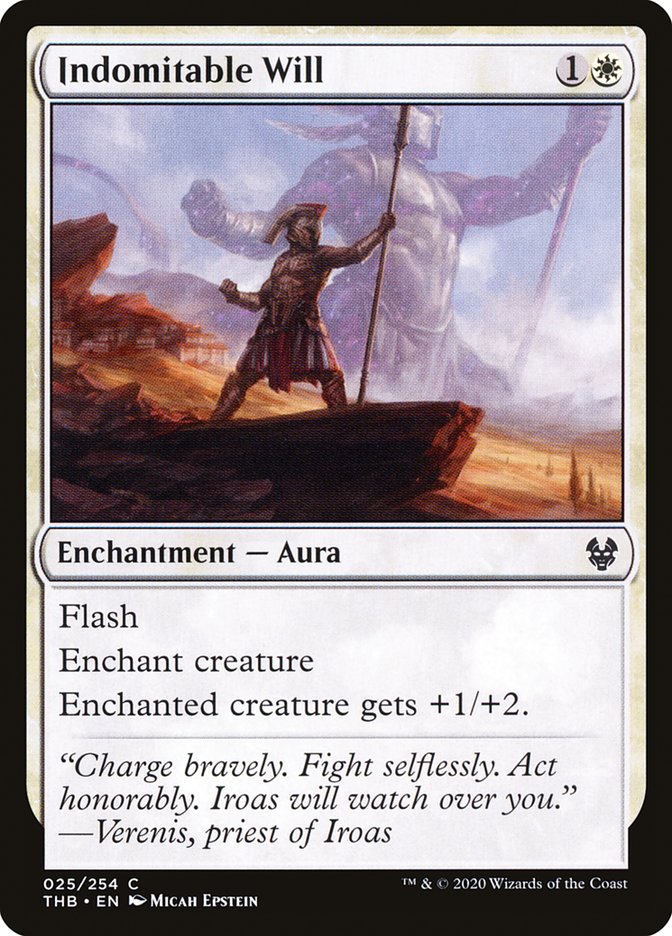
That’s where Flash enters the stage – a game-changer that adds a dash of spontaneity to your gameplay. Flash is a keyword ability that lets you play certain cards at unexpected moments – during your opponent’s turn, to be precise. This means you can cast creatures and other cards at lightning speed, right when your rival least expects it. It’s like surprising your friend with a party out of nowhere – they’ll never see it coming!

See Also: What is Vigilance in MTG

The Art of Surprise

Now, you might wonder what makes Flash so special? Well, my fellow planeswalkers, it all boils down to the element of surprise. Picture this: you’re staring into your opponent’s steely gaze, trying to predict their next move. Suddenly, from the depths of your mana pool, you unleash a creature with Flash. Your opponent’s jaw drops, their cunning strategy now in disarray.

But let’s not get ahead of ourselves – how does it work? Simply put, a creature with Flash can be summoned during your opponent’s turn, as though it had sprouted from the blind spots of the Multiverse. Usually, creatures are brought into play during your own turn, leaving them vulnerable until your next turn rolls around. However, creatures with Flash sidestep this convention, arriving on the battlefield at opportune moments, and vanishing just as quickly.

Creatures of the Shadows

Some creatures are born for the shadows – lurking, waiting, and ready to pounce when the time is right. Meet the Nightstalker, a mysterious entity draped in darkness and shrouded in mist. With a flick of its shadowy tendrils, it enters the fray when you need it most – while your opponent fumbles to maintain their composure.

Or perhaps you prefer the power of faeries, those mischievous beings flitting through the woods of Lorwyn. A creature like the Quickling embodies the essence of Flash, darting in and out of reality like a mesmerizing dance. One moment, it’s absent from the field; the next, it’s there, casting its enchanting allure over the battlefield.

Creatures with Flash are like allies who’ve mastered the art of invisibility – they appear when the situation demands it and vanish when it’s time to regroup. Like ninjas of the card game world, they strike from the shadows and melt away before your opponent’s eyes.

Instant Gratification

Flash doesn’t limit its allure to creatures alone. Oh no, dear planeswalkers, it extends its charm to an array of spells as well. Instants and cards with Flash enchant your gameplay with a symphony of surprise, turning your opponent’s plans into a whimsical melody.

Imagine your opponent’s grin as they smugly pass the turn to you, confident in their defenses. But you hold the key to unravel their schemes. With an Instant spell equipped with Flash, you counter their strategy, leaving them with mouths agape. Your Instant casts itself like a spellbound wisp, ready to foil even the most elaborate of schemes.

Not to mention the joy of ambushing your foe with a creature during their turn – but that’s not all. The Flash mechanic allows you to play enchantments and artifacts too, evoking a sense of spontaneity that few other mechanics can rival. A magical artifact with Flash might suddenly reveal itself on the battlefield, baffling your rival and shifting the tide of the game.

Flash on the Battlefields

It’s not just the raw power that makes Flash so captivating; it’s the strategic potential it brings to the table. Flash empowers you to adapt, improvise, and outwit your opponent, making each duel an unpredictable masterpiece. Whether you’re defending your plane from dark forces or embarking on a whimsical adventure through the realms, the Flash mechanic is your secret weapon.

Next time you hold a card with Flash in your hands, think of it as a spark of potential – a spark that can ignite the flames of surprise and inspiration. Embrace the Flash, and let it guide you through the myriad possibilities of Magic: The Gathering. Happy dueling, my fellow planeswalkers – may your spark shine bright, and your triumphs be as unexpected as a Flash in the dark!

Conclusion

In the enchanting world of Magic: The Gathering, the mechanics that shape our duels are as diverse as the planes we traverse. Among them, Flash stands as a captivating ability that adds an electrifying element of surprise to our gameplay. Like a hidden ace up our sleeves, creatures and spells with Flash grant us the power to cast them when our adversaries least expect it.

The allure of Flash lies not just in its spontaneity, but also in its strategic brilliance. Creatures born with this ability emerge from the shadows, ready to strike and vanish just as swiftly. They are the ninjas of the battlefield, masters of surprise and masters of our fate. Instants and spells with Flash offer us the means to counter our opponents’ moves, turning the tides of the game with a spellbound wisp of magic.

Beyond the mechanics, Flash speaks to the essence of the planeswalker within us all – the spark of creativity and adaptability that guides our journey. It encourages us to think beyond conventional playstyles, to embrace the unexpected, and to savor the joy of outwitting our rivals.

With Flash in our decks, we can rewrite the narratives of our battles, leaving our opponents in awe and ourselves with stories to recount for ages to come. Let us savor the thrill of the unexpected, for it is in those fleeting moments that true magic resides.

So, my fellow planeswalkers, may your decks be graced with the spark of Flash, and may your journeys be filled with countless unforgettable moments. As you embrace the element of surprise, remember that the true magic of MTG lies not just in the cards we hold but in the adventures we share and the friendships we forge along the way.

What is Vigilance in MTG

Hey there, fellow MTG Players! Today, we’re diving deep into the mystical world of Magic: The Gathering to uncover the essence of a peculiar ability that has graced many a card – Vigilance. Grab your deck, shuffle it with care, and let’s explore the enchanting realm of this ever-present quality that elevates the game to extraordinary heights!

In the realm of Magic, each card possesses its own unique qualities, often represented by keywords. From the awe-inspiring dragons to the cunning goblins, each creature brings something special to the battlefield. And among these abilities, Vigilance stands tall, declaring its unyielding presence.

The Vigilant Bond: Silverblade Paladin and Companions

Vigilance flips the script on the usual way of things. Normally, when a creature chooses to clash blades with an opponent, it becomes temporarily exhausted, unable to shield itself from counterattacks. But not the vigilant ones! They are like the stars above, twinkling tirelessly in the night sky, undeterred by the passage of time.

A Neutral Force: Vigilance in Heroes and Villains

Vigilance doesn’t discriminate between good and evil, hero and villain. It is a neutral force that adheres to the heart of the creature it graces. Even the most mischievous of beings can exhibit this noble trait, like the cunning “Thalia, Heretic Cathar.” This brave soul fiercely protects their allies, allowing them to venture into the fray without fear, while also being a formidable adversary to their opponents.

Vigilance Beyond Creatures: Enchantments, Artifacts, and Planeswalkers

But vigilance is not limited to creatures alone. Enchantments, artifacts, and even planeswalkers can inherit this remarkable trait. Take the enchantment “Always Watching,” for instance. Just like a wise guardian watching over its wards, it blesses your creatures with vigilance, turning your army into an unstoppable force that can defend while still making formidable headway.

Vigilance in Life: Lessons Beyond the Game

In a world where tactics and strategy matter as much as raw power, vigilance becomes a game-changer. It turns battles into dances of precision, where each move counts and each decision matters. Vigilance asks you to think beyond the obvious, to consider all possibilities, and to protect your assets even as you pursue victory.

The Art of Resilience: Embracing Vulnerabilities

Beyond the game mechanics, we can find wisdom in the concept of vigilance that resonates with our everyday lives. In a chaotic world full of uncertainties, maintaining a sense of vigilance helps us navigate the challenges that life throws our way. It’s about standing firm in our beliefs and principles, yet open-minded enough to adapt and grow.

Embrace Vigilance: Becoming a Planeswalker of Unwavering Resolve

As we delve deeper into the game, we realize that vigilance is not without its limitations. Just like any quality, it comes with its own set of vulnerabilities. Cards like “Pacifism” and “Sleep” remind us that even the most vigilant can be temporarily stilled. But the essence of vigilance lies not in its invincibility, but in its resilience – the ability to bounce back and stand tall once the storm subsides.

Conclusion

So, the next time you draw a card graced with the emblem of vigilance, take a moment to appreciate the profound message it conveys. Embrace the unyielding spirit it embodies, both on the battlefield of Magic and in the game of life. Learn from it, and let it guide you in becoming a Planeswalker of character, courage, and unwavering resolve.

As you shuffle your deck and engage in thrilling duels, remember that the power of vigilance lies not just in the game pieces but within you, the player. Embrace your own sense of vigilance, and let it be the guiding force that elevates your gameplay, your experiences, and ultimately, your life.

May the virtue of vigilance forever shine within you, as you continue to explore the boundless wonders of Magic: The Gathering! Until next time, may your draws be ever in your favor, and may your spirit never waver!

Understanding Color Identity in EDH

In the world of Magic: The Gathering, the Commander format, also known as EDH (Elder Dragon Highlander), offers a unique and exciting way to play the game. One of the fundamental aspects of EDH is the concept of color identity. Understanding how color identity works is essential for constructing a well-balanced and synergistic Commander deck. In this article, we will delve into the intricacies of color identity, exploring its significance, limitations, and how it shapes the gameplay experience.

What is EDH?

EDH or Elder Dragon Highlander, is a multiplayer format of Magic: The Gathering. It revolves around the use of a legendary creature called the Commander, which acts as the deck’s centerpiece and represents the player’s avatar in the game. Each Commander has a specific color identity that determines the colors of mana symbols present in the deck.

The Basics of Color Identity

basics of color identity in edh

Defining Color Identity

Color identity in EDH refers to the combination of colors present in a card’s casting cost, rules text, and color indicators. This includes both the mana symbols and the colorless mana symbols. A card’s color identity is determined by all these factors, not just the colors of mana it produces. For example, if a card has a red mana symbol in its casting cost but produces colorless mana, its color identity is still red.

Commanders and Their Color Identity

The color identity of a Commander is crucial in deck construction. The color identity of your Commander dictates which cards you can include in your deck. You are only allowed to include cards that share a color or are colorless in your Commander’s color identity. This means that if your Commander has a red and white color identity, you can include red, white, colorless cards, and cards with hybrid mana symbols that are either red or white.

Deck Construction Guidelines

Color Identity Restrictions

When building an EDH deck, it is essential to adhere to the color identity restrictions. You must only include cards that match the color identity of your Commander. This restriction ensures that each deck is thematically cohesive and prevents players from accessing the full range of cards available in the game.

Including Multicolored Cards

While the color identity of your Commander restricts the cards you can include, you can still use multicolored cards as long as the colors in their casting cost match your Commander’s color identity. Multicolored cards can provide additional flexibility and power to your deck, enabling unique synergies and strategies.

The Influence of Color Identity on Gameplay

Mana Generation and Card Selection

Color identity directly affects your deck’s mana base and the availability of different colors of mana. The colors present in your deck determine the types of lands and mana sources you need to include. Proper mana generation is crucial for casting spells and activating abilities that match your deck’s color identity.

Synergies and Strategies

The color identity of your Commander and deck greatly impacts your chosen synergies and strategies. Each color in Magic: The Gathering has its strengths, weaknesses, and unique mechanics. Understanding the strengths and weaknesses of different colors allows you to build a deck that exploits synergies and maximizes your chances of victory.

Interaction with Other Players

Color identity also plays a significant role in the interaction between players during the game. Each color offers distinct ways of disrupting opponents’ strategies and protecting your own. The interplay between different colors creates dynamic and engaging gameplay, where players must adapt their strategies to counter their opponents effectively.

Exploring the Five Colors of Magic

colors of magic, five colors of magic, edh

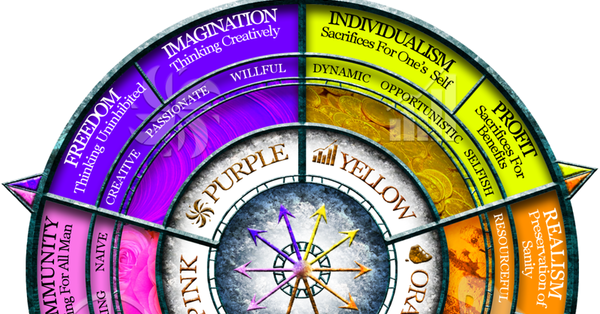
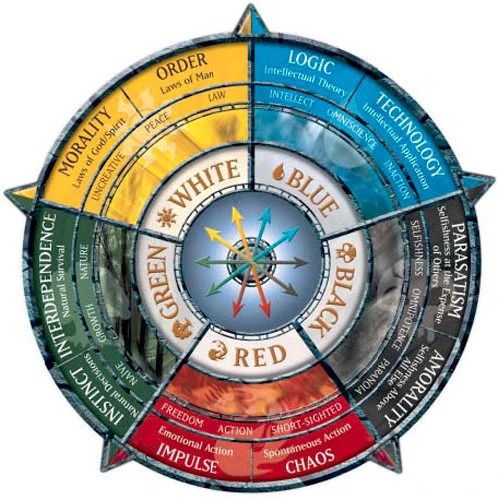
Magic: The Gathering features five colors: white, blue, black, red, and green. Each color represents different philosophies, abilities, and playstyles. Let’s take a brief look at each color and their characteristics:

White: The Color of Order and Protection

White emphasizes order, healing, protection, and the ability to generate small creatures quickly. It excels at removing threats, gaining life, and establishing a defensive position.

Blue: The Color of Intellect and Manipulation

Blue represents intellect, control, card draw, and counterspells. It excels at manipulating the game through card advantage, countermagic, and bouncing permanents.

Black: The Color of Ambition and Power

Black embodies ambition, power, sacrifice, and manipulation of life and death. It excels at destroying creatures, reanimating creatures from graveyards, and exploiting resources.

Red: The Color of Emotion and Chaos

Red embodies emotion, chaos, aggression, and quick bursts of damage. It excels at direct damage, haste, temporary creature control, and chaotic effects.

Green: The Color of Nature and Growth

Green represents nature, growth, ramping, and large creatures. It excels at accelerating mana, searching for lands, and playing massive creatures earlier than other colors.

Color Identity in Deck Archetypes

Understanding color identity is crucial for constructing different deck archetypes in EDH. Here are some common archetypes and how color identity influences them:

Aggro

Aggressive decks focus on quickly reducing opponents’ life totals. The color identity determines the types of creatures, combat tricks, and direct damage spells available to the deck.

Control

Control decks aim to dominate the game by countering spells, removing threats, and grinding opponents’ resources. The color identity determines the range of counterspells, removal spells, and card draw options.

Combo

Combo decks seek to assemble specific combinations of cards to achieve a powerful win condition. Color identity determines the available combo pieces, tutors, and protection spells.

Midrange

Midrange decks aim to strike a balance between aggression and control. Color identity determines the types of threats, answers, and card advantage engines available to the deck.

Voltron

Voltron decks focus on suiting up a single creature with powerful equipment and auras. Color identity influences the selection of creature types, equipment, and auras available.

Adapting and Evolving Your Deck

As you play with your Commander deck, you might discover the need to adapt and evolve it over time. Here are a couple of considerations:

Expanding Your Color Identity

If you feel that your deck lacks certain abilities or strategies, you can consider changing your Commander to include additional colors in its color identity. This opens up new possibilities for card selection and synergies.

Adjusting the Mana Base

As you add or remove colors from your deck, you’ll need to adjust the mana base accordingly. Ensuring a balanced distribution of lands and mana sources is crucial for consistent performance.

Conclusion

Understanding how color identity works is essential for building and playing Commander decks effectively in the EDH format. It dictates the cards you can include, influences your gameplay decisions, and offers a diverse range of strategies and synergies. By harnessing the strengths of different colors and adapting your deck to fit your playstyle, you can create a unique and powerful Commander deck that represents your own color identity.

How Many Players Are Recommended In a Commander Game?

Commander, also known as Elder Dragon Highlander (EDH), is a popular multiplayer format in the Magic: The Gathering trading card game. In Commander, players build decks around a legendary creature, known as their commander, and compete against each other in a unique and exciting gameplay experience. One crucial aspect to consider when playing Commander is the recommended number of players. This article will explore the factors to consider when determining the optimal player count for a Commander game.

What is Commander?

Commander is a format that emphasizes multiplayer interactions, politics, and deckbuilding creativity. Each player starts with 40 life points and uses a deck of exactly 100 cards, including their chosen commander. The commander is a legendary creature card that remains separate from the deck and can be cast from a special zone known as the command zone. Commander games typically involve three or more players, making it a social and engaging format.

The Importance of Player Count

The number of players in a Commander game significantly impacts the overall gameplay experience. With more players, there are increased opportunities for diplomacy, politics, and interactive gameplay. On the other hand, fewer players may result in a faster-paced and more focused game. It is essential to strike the right balance to ensure an enjoyable and engaging Commander session.

Optimal Number of Players

Determining the optimal number of players for a Commander game depends on several factors. Let’s explore them in detail:

1. Game Balance

Commander games thrive on achieving a delicate balance between all participants. Too few players can lead to a lack of diversity in gameplay and strategies, while too many players may result in chaos and longer game durations. Striking a balance between having enough opponents to keep the game interesting and not overcrowding the battlefield is crucial.

2. Length of the Game

The number of players directly influences the duration of a Commander game. Generally, more players tend to extend the game length. If you prefer longer, epic battles with complex board states and intricate interactions, a larger player count might be suitable. However, if you prefer quicker and more streamlined games, a smaller player count may be more appropriate.

3. Social Interaction

Commander is renowned for its social interaction and politics between players. With more players involved, there are increased opportunities for diplomacy, negotiation, and forming alliances. The social aspect adds depth and excitement to the gameplay, making a larger player count favorable for those who enjoy the interactive elements of Commander.

4. Personal Preference

Personal preference plays a significant role in determining the ideal player count for a Commander game. Some players may thrive in larger multiplayer games, relishing the chaotic and unpredictable nature of battles involving numerous opponents. Others may prefer the intimacy of smaller games, allowing for deeper strategic planning and quicker decision-making.

5. Available Resources

The available resources, such as space, time, and the number of available players, should be considered when determining the player count for a Commander game. If you have limited space or time constraints, it may be more practical to opt for a smaller player count. However, if you have a dedicated playgroup or a larger gaming space, accommodating more players can enhance the overall experience.

Player Count Recommendations

Based on the factors discussed, here are some general player count recommendations for Commander games:

  • 3 players: This player count offers a balanced experience with sufficient social interaction and reasonable game length. It is ideal for those seeking a quicker Commander game without sacrificing the interactive elements.
  • 4 players: The most common player count in Commander, a four-player game strikes a good balance between game length, strategic depth, and social dynamics. It allows for diverse gameplay and engaging interactions among participants.
  • 5+ players: Larger playgroups can create a lively and dynamic environment, with intense political maneuvering and unpredictable outcomes. These games often feature longer durations and require careful management of resources and strategies.

Ultimately, the ideal player count for a Commander game depends on the preferences of the players involved and the specific context of each gaming session. Experimentation with different player counts can help determine what works best for your playgroup.

Conclusion

Determining the recommended number of players for a Commander game involves considering various factors such as game balance, length, social interaction, personal preference, and available resources. While three to five players are the most common options, it is essential to find the player count that provides an enjoyable and engaging experience for all participants. Whether you prefer a quicker duel or a grand multiplayer spectacle, Commander offers a versatile format suitable for a range of player counts.

FAQs

What happens if I play Commander with only two players?

While Commander games can be played with just two players, the format is primarily designed for multiplayer interactions. Playing with two players may result in a less diverse and interactive gameplay experience. However, it can still be enjoyable if both players are open to adapting strategies and embracing a different dynamic.

Can I play Commander with more than six players?

While Commander games can accommodate more than six players, managing a larger group can become challenging. With more participants, the game may take significantly longer, and interactions can become more complex. It is recommended to have a clear plan for turn order and maintain open communication to ensure a smooth gaming experience.

Are there any alternative formats for Commander with specific player counts?

Yes, there are alternative formats designed specifically for different player counts. For example, Two-Headed Giant is a variant of Commander where teams of two players each compete against each other. This format works best with an even number of players.

Is there an official Commander rule regarding player count?

The official rules of Commander do not prescribe a specific player count. It is a flexible format that can be adapted to various player counts, as long as the players agree on the parameters before the game begins.

Can I play Commander with just one opponent?

While it is possible to play Commander with just one opponent, the format is optimized for multiplayer interactions. Playing with a single opponent may result in a different dynamic and potentially reduce the diversity of gameplay strategies. It is recommended to discuss and agree on house rules or adjustments to ensure an enjoyable experience.

What Makes MTG Commander Different From Other Formats

Magic: The Gathering is a popular collectible card game that has captured the hearts of millions of players around the world. With its rich lore, strategic gameplay, and vast card pool, Magic offers a variety of formats for players to enjoy. One such format that has gained immense popularity is Commander. In this article, we will delve into what Magic: The Gathering Commander is all about and explore how it differs from other formats.

Reasons Why MTG Commander Is Different From The Rest

Magic: The Gathering or MTG Commander, also known as Elder Dragon Highlander (EDH), is a multiplayer format where each player starts with a deck consisting of 100 cards, including a legendary creature as their commander. The goal of the game is to reduce your opponents’ life total to zero, but Commander introduces unique rules and deck construction restrictions that make the format distinct from others.

Deck Construction Rules

In Commander, players must adhere to specific deck construction rules, including:

  • Each deck must contain exactly 100 cards, including the commander.
  • Except for basic lands, players cannot include more than one copy of each card in their deck.

These rules encourage diversity and ensure that no two decks are the same.

Singleton Format

The Singleton format is a defining characteristic of Commander. It means that players can only include one copy of each non-basic land card in their deck. This creates a dynamic gameplay experience, where players are forced to think strategically and make the most out of their limited resources. The Singleton format adds an element of surprise and unpredictability to each game.

Commander Selection

The commander serves as the focal point of the deck and influences the entire gameplay. Players choose a legendary creature card to be their commander, and it starts the game in a special zone called the command zone. Key points regarding commander selection include:

  • Players can cast their commander from the command zone.
  • If the commander is removed from the battlefield, it can be sent back to the command zone instead of the graveyard.
  • The commander determines the color identity of the deck, restricting the inclusion of cards to match the commander’s color identity.

Unique Deckbuilding Restrictions

Commander introduces additional deckbuilding restrictions, such as:

  • The deck must consist of cards that fall within the color identity of the commander.
  • For example, if the commander is a red and green creature, the deck can only contain cards that are red, green, or both.

These restrictions encourage players to explore different color combinations and build decks that synergize well with their commander’s abilities.

Increased Deck Size

Compared to other Magic formats, Commander decks have an increased deck size of 100 cards. This larger deck size allows for more variety and increases the likelihood of drawing unique cards during a game. It also necessitates careful deck construction to ensure a balanced mix of spells, creatures, and other necessary components.

Multiplayer Gameplay

Unlike traditional Magic formats that often involve one-on-one battles, Commander is primarily a multiplayer format. It is commonly played with four players, but it can accommodate more or fewer players as well. The multiplayer aspect adds a social dynamic to the game, as players form alliances, forge temporary truces, and engage in diplomacy to gain an advantage over their opponents.

Social Contract and Politics

Commander is not just about the cards on the table; it is also about building relationships and fostering a positive play experience. The format emphasizes the importance of the social contract, where players agree to certain unwritten rules and expectations. Some key aspects of the social contract and politics in Commander include:

  • Negotiation, persuasion, and forming alliances become crucial elements of gameplay.
  • Players engage in diplomacy to gain an advantage.
  • Social dynamics and interactions between players make each game memorable and engaging.

Expanded Card Pool

Commander allows players to utilize cards from Magic’s extensive history. With a vast card pool spanning numerous sets and expansions, players have access to an abundance of powerful and iconic cards. This provides an opportunity for creativity and deck customization, allowing players to express their individuality and personal playstyle.

Casual and Competitive Play

Commander caters to a wide range of players, from casual enthusiasts to competitive gamers. The format offers a flexible environment where players can enjoy:

Commander’s versatility makes it appealing to players of all skill levels and provides an avenue for continuous growth and improvement.

Conclusion

Magic: The Gathering Commander is a captivating format that offers a unique and rewarding gameplay experience. With its deck construction rules, singleton format, commander selection, expanded card pool, multiplayer dynamics, and emphasis on social interaction, Commander stands out as a format that fosters creativity, strategic thinking, and memorable moments. Whether you’re a seasoned Magic player or a newcomer to the game, Commander invites you to explore a world of endless possibilities.

Why is MTG So Addictive?

More often than not, you’ve probably come across or are acquainted with at least one individual engaged in the activity of playing Magic: the Gathering. You might even be a participant yourself.

One aspect that numerous individuals have observed upon immersing themselves in the game is its capacity to ensnare them once they’ve initiated their involvement. So, what makes MTG so addictive?

There exist numerous valid explanations for the steadfast enthusiast community that surrounds this iconic card game. We will elucidate these factors for you.

To put it succinctly, Magic: the Gathering is a card game that originated in 1993. Multiple players, usually two or more, engage in a competition to deplete each other’s life points to zero as the condition for victory. While this stands as the primary method of achieving triumph, various alternative paths also exist.

Spanning nearly three decades, the game has introduced tens of thousands of cards. The potential amalgamations of cards within a deck are virtually limitless.

See Also: Top 5 Best Cards in MTG

Why is MTG so addictive – Top 6 Reasons

Had Magic: the Gathering not possessed appealing elements for its players, its popularity would have waned years ago.

Thankfully, the creators, Wizards of the Coast, exhibit ingenuity. They consistently introduce fresh attributes to incorporate into the game, which captivate enthusiasts and maintain their engagement.

The primary factors that sustain players’ involvement in MTG include:

  • Cards of substantial value
  • Boundless potential for deck configurations
  • Diverse conclusions in each match
  • Engaging in MTG with friends
  • Constantly expanding card pool
  • Competitive environment

Cards of Substantial Value

Similar to various other collectible items, Magic: the Gathering (MTG) cards have the potential to appreciate significantly in value over time.

The rare and elusive Black Lotus card, originally featured in the inaugural Magic set, notably fetched a staggering $166,100 in 2019. You can delve into further details about this sale here.

Clearly, this instance is more of an anomaly rather than the standard. Black Lotus is widely recognized among Magic players, both newcomers and veterans, for its exceptionally steep cost.

Nonetheless, numerous other cards also observe their prices gradually ascend with the passage of time. Consequently, many players opt to amass cards that exhibit the potential to become valuable in the future.

This phenomenon amplifies the excitement of opening a booster pack. The prospect of obtaining something rare and valuable adds an extra layer of thrill.

Boundless Potential For Deck Configurations

Constructing a potent Magic deck is akin to a work of art.

Due to the extensive array of cards available, it’s highly improbable for any two decks to be identical. The vast range of options allows for the customization of a deck to align with individual preferences.

Numerous players find themselves engrossed in the process of building one deck after another. The introduction of new cards often triggers fresh waves of inspiration.

A few individuals even end up curating a collection of diverse decks for varying occasions or moods.

Given the ability to continually craft entirely distinct decks, it’s unsurprising that some Magic players persistently return to, or remain entrenched in, the game.

Recommended: Guide to Power Levels in EDH

Diverse Conclusions in Each Match

Much like the endless potential for diverse decks, the games themselves in Magic: the Gathering (MTG) are also boundless in variety.

With numerous players maintaining multiple decks that employ various mechanics, the ambiance and outcome of each game can undergo significant shifts. Players have the flexibility to switch decks between games or even transition to entirely different game formats.

Unlike a traditional board game with fixed victory conditions, MTG’s conditions change with each match, infusing a sense of novelty into nearly every encounter.

The game’s capacity to provide a fresh experience every time it’s played makes it difficult to become bored with.

Engaging in MTG with Friends

One of the remarkable aspects contributing to Magic’s popularity is its inherent social nature.

It’s not designed for solitary play. As a result, it has become a staple for game nights among groups of friends around the globe.

Friends can observe each other’s deck creations, identify the decks that summon the most formidable creatures, and analyze the synergies between spells. Just like many other games, the addition of close friends elevates the enjoyment, and MTG is no exception.

Constantly Expanding Card Pool

Right when you believe you’ve encountered everything, a fresh set of cards is introduced, brimming with captivating new mechanics.

Before players have the opportunity to settle into a sense of complacency, the card pool experiences expansion. This necessitates fans to continuously evolve and adapt to the evolving landscape in order to consistently excel in games.

Moreover, MTG’s perpetual evolution bestows a sense of novelty year after year. The consistent influx of new cards ensures that everyone’s preferences and interests are catered to.

Competitive

Games often evoke the competitive spirit within individuals, and Magic: the Gathering (MTG) is particularly adept at amplifying this aspect among its players.

Owing to the innate competitive nature of its fan base, MTG tournaments are held in abundance and with great frequency. Prizes in these competitions range from valuable cards to monetary rewards.

Yet, even for those who don’t participate at a level deemed professional, a substantial number of individuals find themselves engaged in friendly competition with their peers through MTG. Constructing a deck that garners admiration from friends brings about a profound sense of satisfaction.

This impetus to excel, which MTG ignites within individuals, is another compelling factor that sustains the commitment of its fan base.

Conclusion

n conclusion, the irresistible allure of Magic: the Gathering’s addictive nature stems from its multifaceted appeal. From the tantalizing potential for valuable card investments to the ever-evolving deck configurations, the game’s ability to offer fresh experiences with each match keeps players engaged.

The social camaraderie fostered by competing with friends and the unrelenting competitive spirit that MTG ignites further contribute to its captivating grasp. The continuous expansion of the card pool and the drive for excellence that it inspires ensure that the game never loses its novelty.

Through these myriad elements, Magic: the Gathering seamlessly weaves a tapestry of addiction, drawing players back time and again for another spellbinding encounter.

Top 5 MTG Commander Decks For Casual Players

Commander, known for its casual play, attracts players who seek to refine their decks and compete. Competitive Commander tournaments exist, but even casual players want winning deck ideas. With a vast range of options available, the overwhelming choices often lead to decision paralysis.

As players debate various interpretations of Commander decks, a few rise to the top. While personal preferences differ, some decks stand out as commonly played and highly effective. These strategies excel in numerous situations, although they may not dominate at the highest competitive tables. Nevertheless, they remain versatile and perform well in the majority of games, making them ideal for non-cEDH play.

If you find yourself struggling to achieve victory in Commander against your friends, consider exploring these decks for inspiration. Some decks may be more expensive, and card substitutions may be necessary. However, there is ample room for innovation while staying true to the deck’s core concept.

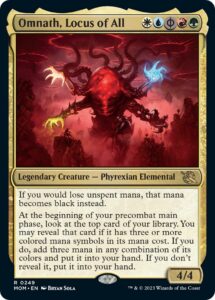
5. Omnath, Locus of All

When it comes to powerful Phyrexian Commanders, look no further than Omnath, Locus of All. This exceptional choice grants access to all five colors of mana, making it a versatile option. Not only does it enable you to play all five Praetors, but it also provides mana acceleration when paired with multicolored cards. What sets Omnath apart is its unique ability to retain unspent mana as black mana, which remains available until Omnath leaves the battlefield.

One exciting interaction to consider is with cards like Villainous Wealth. With the right mana ramp, you can exile a significant number of cards and benefit greatly. Additionally, creatures like Nyxbloom Ancient help generate excess mana, which can be immediately utilized or saved for casting massive X spells like Torrent of Hellfire, capable of ending the game in one fell swoop.

To fully harness Omnath’s potential, take advantage of its second ability, which relies on multicolored cards. At the start of your precombat phase, you get to choose three mana from a combination of revealed colors. This opens the door to swiftly playing various powerful cards. For example, you can bring Maelstrom Nexus or Maelstrom Angel onto the battlefield, both of which require high multicolored costs.

A solid strategy with Omnath involves overwhelming your opponents with powerful creatures before they can respond. You can also leverage other Phyrexian cards like Vraska, Betrayal’s Sting, and Vorinclex, Monstrous Predator to inflict further damage and disruption on your foes.

Embrace the complexity and diversity that Omnath, Locus of All brings to the table. With its ability to tap into all five colors, fueling a burst of multicolored spells, the battlefield becomes your canvas for unparalleled magic and tactics.

Read Also: Everything You Need To Know About Ward in MTG

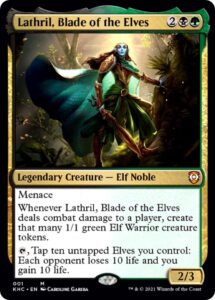
4. Lathril, Blade of the Elves

Elves have always been a beloved choice in Commander, and Lathril, Blade of the Elves takes their allure to new heights. Witness the captivating dance of combat as Lathril strikes her opponents, summoning 1/1 Elf tokens equal to her power. Once you have a grand total of ten Elves on the battlefield, you can tap them to drain ten life from each of your adversaries.

Your opponents will want to avoid Lathril dealing damage since accumulating 21 cumulative combat damage from her spells certain defeat. Not only does the damage add up, but Lathril also creates tokens equal to the damage dealt.

To excel with Lathril, focus on summoning a legion of Elves while draining your opponents’ life. Cards like Elvish Warmaster enable you to flood the battlefield with Elf tokens quickly, initiating a relentless life drain. Supporting cards such as Elvish Archdruid and Leaf-Crowned Visionary transform seemingly weak 1/1 Elves into formidable fighters. Rather than relying on simple removal spells like Lightning Bolt, force your opponents into wiping the entire board.

Further augment your Elves’ strength by combining cards like Ezuri, Renegade Leader, who can turn your Elf army into a force to be reckoned with. Backed by naturally powerful Elves like Glissa Sunslayer and Abomination of Llanowar, your opponents will have to find a way to neutralize or exile them. While these cards may have higher mana costs, you can expedite their arrival with cards like Llanowar Elves and Wirewood Channeler. As an added bonus, the combination of Elvish Archdruid and Staff of Domination can even grant you infinite mana.

To ensure your Elves’ survival and maintain focus on draining life from enemies, equip them with protective equipment and enchantments. Lightning Greaves and Swiftfoot Boots can safeguard your most powerful Elves from harm. Additionally, cards like Coat of Arms or Beastmaster’s Ascension can amplify your Elves’ power, overwhelming your opponents’ defenses.

With multiple avenues to thwart your opponents, watch them scramble to react as you adjust your strategy to the changing circumstances. Master the art of the Elves, and orchestrate a symphony of victory, where the power of nature reigns supreme.

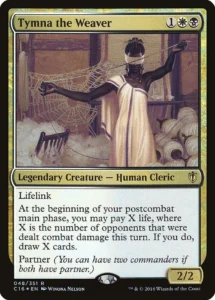
3. Tymna the Weaver

If you’re intrigued by the Partner mechanic that allows two Commanders, consider Tymna the Weaver. Tymna, often paired with Thrasios, Triton Hero, offers a range of benefits. With blue, green, white, and black mana, this partnership provides versatility and synergy.

Thrasios excels at ramping mana with his Scry ability. It allows you to reveal the top card of your library. If it’s a land, you play it tapped, and if it’s another card, you draw one. This helps control your hand while quickly bringing lands into play.

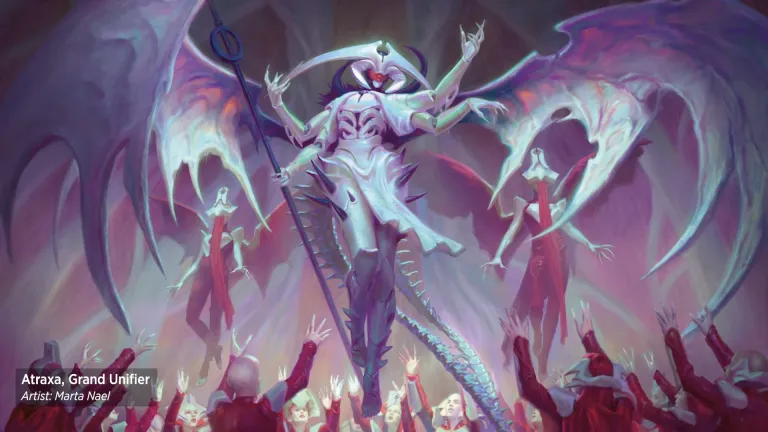
With enhanced mana ramp, you can deploy powerful cards like Elesh Norn, Grand Cenobite and Atraxa, Grand Unifier. The Scry ability isn’t limited to basic lands, so cards like Yavimaya, Cradle of Growth or Breeding Pool can be played. Creatures such as Birds of Paradise and Noble Hierarch can also contribute to your mana needs.

Tymna excels at card advantage. After dealing damage to players, you can pay life to draw cards equal to the number of players you damaged. This ability replenishes your hand in larger games, providing more options.

To offset Tymna’s life drain, include cards like Serra Ascendant or Sheoldred, the Apocalypse to gain life. Cards like Toxic Deluge can clear the board while benefiting from the extra life gained. Protecting your creatures, artifacts, and enchantments is crucial, so consider using cards like Counterspell or Heroic Intervention.

Tymna and Thrasios offer various paths to victory. Powerful creatures like Atraxa, Grand Unifier can end the battle. Exiling troublesome creatures with cards like Swords to Plowshares and strengthening your own creatures with counters can also lead to success.

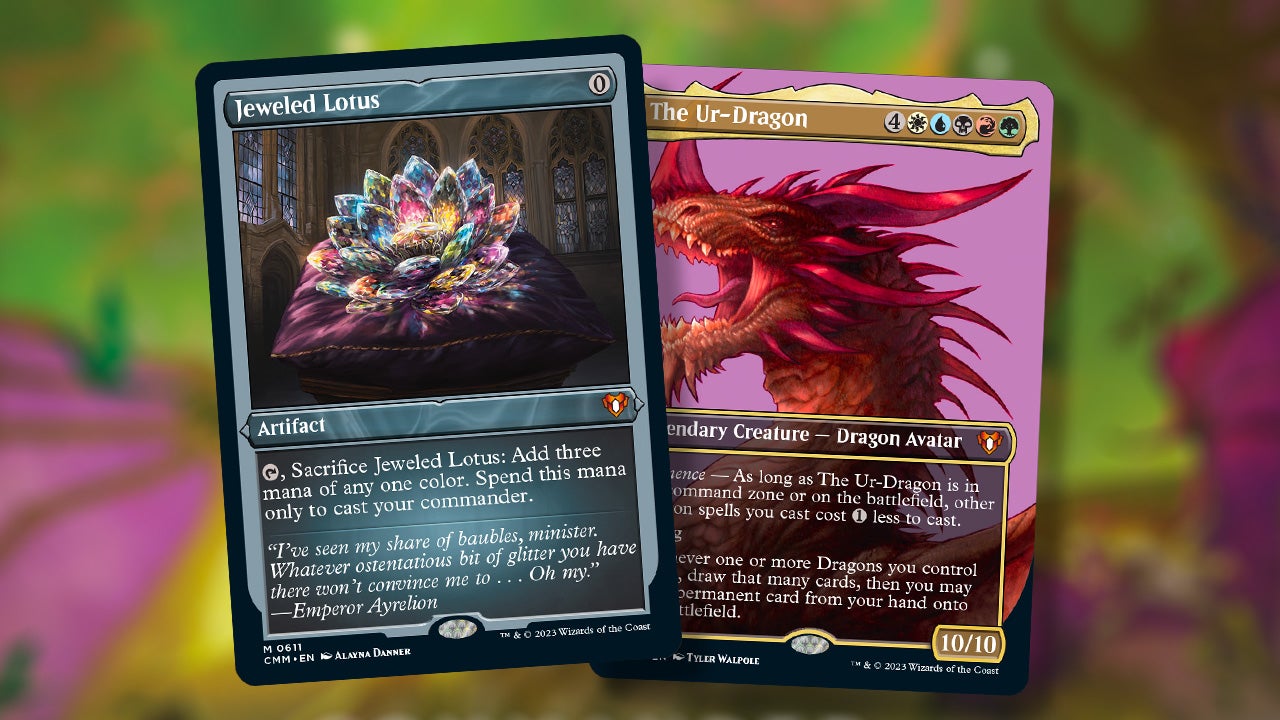
2. The Ur-Dragon

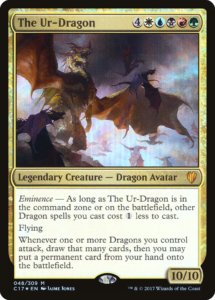
For Dragon enthusiasts, The Ur-Dragon is a formidable Commander choice. It grants access to every color and reduces the mana cost of Dragons by one. Though summoning The Ur-Dragon requires a substantial cost, the benefits are worthwhile. It allows any number of Dragons to attack, drawing cards and putting a permanent from your hand onto the battlefield.

Combining The Ur-Dragon with cards like Miirym, Sentinel Wyrm quickly populates the battlefield with powerful threats. Lathliss, Dragon Queen and Utvara Hellkite create Dragon tokens, increasing your attacking force.

Mana ramp is crucial for playing expensive Dragons. Scaled Nurturer and Faeburrow Elder generate mana early on. Cards like Cultivate and Growth Spiral help you acquire lands. Dragonspeaker Shaman reduces mana costs, expediting Dragon deployment.

Reviving Dragons is important as opponents may target them. Bladewing the Risen revives a Dragon while providing a body on the battlefield. Patriarch’s Bidding brings back all Dragons from the graveyard. In challenging situations, Crux of Fate buys you time or secures victory.

1. Atraxa, Praetor’s Voice

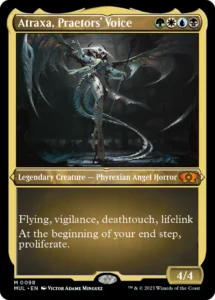
Atraxa, Praetor’s Voice is ideal for counter-focused Commander decks. It possesses Flying, Vigilance, Deathtouch, and Lifelink. The standout ability is Proliferate, triggering during the end step. It adds an additional counter to chosen permanents with counters.

Atraxa’s Proliferate ability doesn’t require any action, making it valuable. Prologue to Phyresis applies a Poison Counter to opponents without combat. Bloated Contaminator breaks through defenses to poison opponents.

Cards like Tekuthal, Inquiry Dominus and Inexorable Tide enable multiple Proliferations. Tekuthal can gain an Indestructible counter, enhancing resilience. Evolution Sage triggers Proliferation with each land played, while Ezuri, Stalker of Spheres aids in card advantage.

Atraxa also amplifies the power of planeswalkers like Teferi, Temporal Archmage. Combined with artifacts and mana-producing permanents, you can generate more mana and utilize loyalty abilities effectively. Vraska, Betrayal’s Sting and Vorinclex, Monstrous Raider capitalize on Proliferated poison counters.

To handle opposing threats, cards like Swords to Plowshares remove obstacles while preserving your survival. Astral Cornucopia and Shalai, Voice of Plenty provide other beneficial counters and advantage. Proliferation forces opponents to pay attention to you or risk defeat.

Everything You Need To Know About Ward in MTG

In the realm of Magic: The Gathering (MTG), Ward stands as an Evergreen mechanic, capable of integration into every MTG set. However, it’s worth noting that this isn’t always the case, although Ward remains notably widespread. Consequently, acquiring a solid understanding of this mechanic is crucial to avoid unexpected surprises.

Debuting in Strixhaven: School of Magic, Ward finds its place on numerous contemporary MTG cards, making it a highly favored ability, particularly for safeguarding creatures. Given its versatile design, players of MTG should anticipate encountering a multitude of cards showcasing this mechanism in upcoming releases.

If the concept of this mechanic is unfamiliar, you might be wondering about its functioning at this point. Fortunately, we’re here to offer guidance. Without further delay, let’s delve into a comprehensive exploration of everything you should grasp about Ward in MTG!

What exactly is Ward in MTG?

what is ward, ward mtg, mtg,

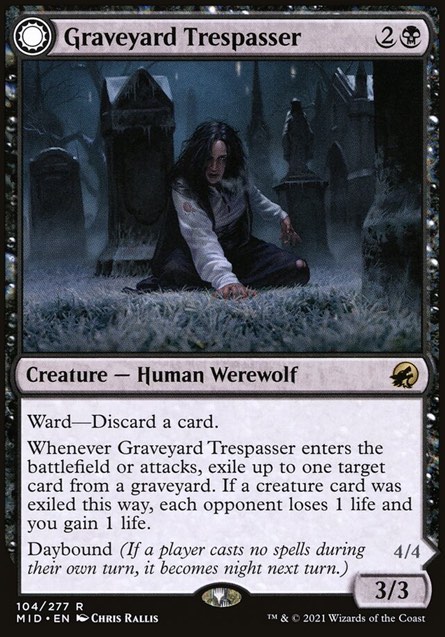
Ward represents a game mechanic that furnishes an extra layer of defense to a card, irrespective of its card type. This mechanic compels the opposing player to make an added expenditure in order to target a creature with effects. This generally translates to an additional payment necessary for the elimination of the creature using a targeted spell. Sometimes, this cost is an increase in mana, while it could also involve expending life or discarding a card.

The obligation of paying the Ward cost arises when aiming the ability at the permanent. Should you opt not to comply, your spell will be negated by the Ward capability.

In instances where your spell is negated or otherwise handled after the Ward cost has been paid, the extra cost is not reimbursed. Consequently, thoughtful consideration must be given to how and where you employ your removal tactics.

While this may appear to be straightforward, it’s imperative to recognize that the Ward cost isn’t factored in during spell casting. Instead, Ward functions as a triggered effect that activates solely when the creature becomes a target. As a result, in MTG Arena, it might appear plausible to target a creature with Ward even if you lack sufficient mana.

In addition to this digital idiosyncrasy, when using physical cards, it’s easy to overlook the presence of Ward. Therefore, it becomes crucial to stay attentive to permanents possessing this trait to prevent any unwelcome surprises. Thankfully, in the Arena, players have the flexibility to reconsider and retract actions if an additional cost is mandated for spell casting.

Read Also: Top 5 Best Cards in MTG Commander

What are Ward Requirements?

Thanks to Lord of the Rings: Tales of Middle-earth, the concept of Ward costs is taking on added intricacy. This shift is primarily attributed to the introduction of new elements like Saruman of Many Colors and Sauron, the Dark Lord.

For the first time, we encounter Ward costs that aren’t straightforward to meet under most game conditions. While players might generally manage to cover additional mana or part with some cards, having a Legendary Artifact or Creature at hand won’t necessarily be a common occurrence. Consequently, targeting Sauron with spells can pose a significant challenge.

To clarify, if you’re unable to fulfill the Ward cost of a particular card, the triggering spell for Ward will be nullified. This essentially implies that cards like Sauron might remain immune to targeting for a considerable duration.

It’s important to keep in mind that aside from using removal that doesn’t rely on targeting, another way to bypass Ward is to employ spells that cannot be countered. Ward is ineffective against these spells, as failing to pay the Ward cost results in the spell being countered. An uncounterable spell can circumvent this by simply proceeding without paying the cost.

Ultimately, Ward stands as a potent mechanic, particularly impactful in Limited game scenarios. Fortunately, being an evergreen mechanic suggests that it’s unlikely to be overly exploited within a single MTG set. Nevertheless, it’s still prudent to remain attentive to it in order to prevent your own spells from fizzling out.

Conclusion

In conclusion, delving into the mechanics of Ward in Magic: The Gathering opens up a realm of strategic depth and tactical possibilities. With its presence expanding through sets like Lord of the Rings: Tales of Middle-earth, Ward costs have evolved into more intricate and challenging facets, adding layers to gameplay dynamics.

The introduction of figures like Saruman of Many Colors and Sauron, the Dark Lord, has redefined the strategic landscape, demanding players to navigate nuanced choices when dealing with these formidable Ward costs.

While the concept of Ward may seem complex, its impact is undeniable, especially in Limited environments where it can sway the tide of battles. As an evergreen mechanic, Ward continues to enrich the MTG experience without saturating it, ensuring its relevance across diverse sets.