How Many Players Are Recommended In a Commander Game?

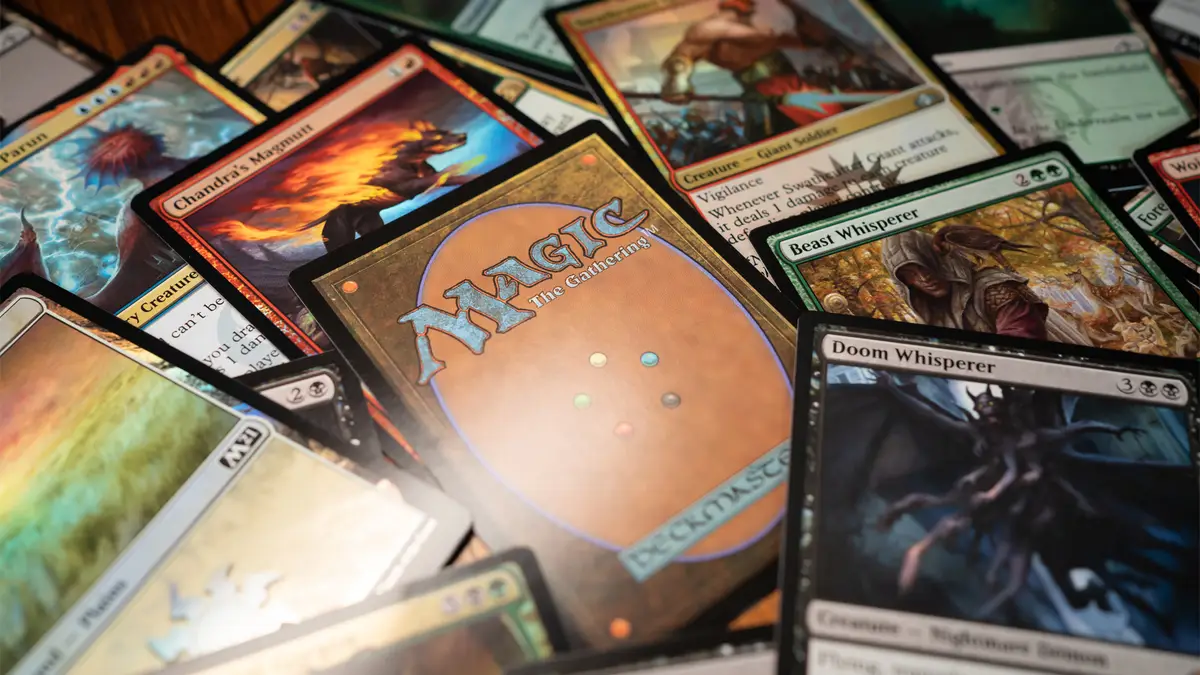
Commander, also known as Elder Dragon Highlander (EDH), is a popular multiplayer format in the Magic: The Gathering trading card game. In Commander, players build decks around a legendary creature, known as their commander, and compete against each other in a unique and exciting gameplay experience. One crucial aspect to consider when playing Commander is the recommended number of players. This article will explore the factors to consider when determining the optimal player count for a Commander game.

What is Commander?

Commander is a format that emphasizes multiplayer interactions, politics, and deckbuilding creativity. Each player starts with 40 life points and uses a deck of exactly 100 cards, including their chosen commander. The commander is a legendary creature card that remains separate from the deck and can be cast from a special zone known as the command zone. Commander games typically involve three or more players, making it a social and engaging format.

The Importance of Player Count

The number of players in a Commander game significantly impacts the overall gameplay experience. With more players, there are increased opportunities for diplomacy, politics, and interactive gameplay. On the other hand, fewer players may result in a faster-paced and more focused game. It is essential to strike the right balance to ensure an enjoyable and engaging Commander session.

Optimal Number of Players

Determining the optimal number of players for a Commander game depends on several factors. Let’s explore them in detail:

1. Game Balance

Commander games thrive on achieving a delicate balance between all participants. Too few players can lead to a lack of diversity in gameplay and strategies, while too many players may result in chaos and longer game durations. Striking a balance between having enough opponents to keep the game interesting and not overcrowding the battlefield is crucial.

2. Length of the Game

The number of players directly influences the duration of a Commander game. Generally, more players tend to extend the game length. If you prefer longer, epic battles with complex board states and intricate interactions, a larger player count might be suitable. However, if you prefer quicker and more streamlined games, a smaller player count may be more appropriate.

3. Social Interaction

Commander is renowned for its social interaction and politics between players. With more players involved, there are increased opportunities for diplomacy, negotiation, and forming alliances. The social aspect adds depth and excitement to the gameplay, making a larger player count favorable for those who enjoy the interactive elements of Commander.

4. Personal Preference

Personal preference plays a significant role in determining the ideal player count for a Commander game. Some players may thrive in larger multiplayer games, relishing the chaotic and unpredictable nature of battles involving numerous opponents. Others may prefer the intimacy of smaller games, allowing for deeper strategic planning and quicker decision-making.

5. Available Resources

The available resources, such as space, time, and the number of available players, should be considered when determining the player count for a Commander game. If you have limited space or time constraints, it may be more practical to opt for a smaller player count. However, if you have a dedicated playgroup or a larger gaming space, accommodating more players can enhance the overall experience.

Player Count Recommendations

Based on the factors discussed, here are some general player count recommendations for Commander games:

  • 3 players: This player count offers a balanced experience with sufficient social interaction and reasonable game length. It is ideal for those seeking a quicker Commander game without sacrificing the interactive elements.
  • 4 players: The most common player count in Commander, a four-player game strikes a good balance between game length, strategic depth, and social dynamics. It allows for diverse gameplay and engaging interactions among participants.
  • 5+ players: Larger playgroups can create a lively and dynamic environment, with intense political maneuvering and unpredictable outcomes. These games often feature longer durations and require careful management of resources and strategies.

Ultimately, the ideal player count for a Commander game depends on the preferences of the players involved and the specific context of each gaming session. Experimentation with different player counts can help determine what works best for your playgroup.

Conclusion

Determining the recommended number of players for a Commander game involves considering various factors such as game balance, length, social interaction, personal preference, and available resources. While three to five players are the most common options, it is essential to find the player count that provides an enjoyable and engaging experience for all participants. Whether you prefer a quicker duel or a grand multiplayer spectacle, Commander offers a versatile format suitable for a range of player counts.

FAQs

What happens if I play Commander with only two players?

While Commander games can be played with just two players, the format is primarily designed for multiplayer interactions. Playing with two players may result in a less diverse and interactive gameplay experience. However, it can still be enjoyable if both players are open to adapting strategies and embracing a different dynamic.

Can I play Commander with more than six players?

While Commander games can accommodate more than six players, managing a larger group can become challenging. With more participants, the game may take significantly longer, and interactions can become more complex. It is recommended to have a clear plan for turn order and maintain open communication to ensure a smooth gaming experience.

Are there any alternative formats for Commander with specific player counts?

Yes, there are alternative formats designed specifically for different player counts. For example, Two-Headed Giant is a variant of Commander where teams of two players each compete against each other. This format works best with an even number of players.

Is there an official Commander rule regarding player count?

The official rules of Commander do not prescribe a specific player count. It is a flexible format that can be adapted to various player counts, as long as the players agree on the parameters before the game begins.

Can I play Commander with just one opponent?

While it is possible to play Commander with just one opponent, the format is optimized for multiplayer interactions. Playing with a single opponent may result in a different dynamic and potentially reduce the diversity of gameplay strategies. It is recommended to discuss and agree on house rules or adjustments to ensure an enjoyable experience.
Why is MTG So Addictive?

More often than not, you’ve probably come across or are acquainted with at least one individual engaged in the activity of playing Magic: the Gathering. You might even be a participant yourself.

One aspect that numerous individuals have observed upon immersing themselves in the game is its capacity to ensnare them once they’ve initiated their involvement. So, what makes MTG so addictive?

There exist numerous valid explanations for the steadfast enthusiast community that surrounds this iconic card game. We will elucidate these factors for you.

To put it succinctly, Magic: the Gathering is a card game that originated in 1993. Multiple players, usually two or more, engage in a competition to deplete each other’s life points to zero as the condition for victory. While this stands as the primary method of achieving triumph, various alternative paths also exist.

Spanning nearly three decades, the game has introduced tens of thousands of cards. The potential amalgamations of cards within a deck are virtually limitless.

See Also: Top 5 Best Cards in MTG

Why is MTG so addictive – Top 6 Reasons

Had Magic: the Gathering not possessed appealing elements for its players, its popularity would have waned years ago.

Thankfully, the creators, Wizards of the Coast, exhibit ingenuity. They consistently introduce fresh attributes to incorporate into the game, which captivate enthusiasts and maintain their engagement.

The primary factors that sustain players’ involvement in MTG include:

  • Cards of substantial value
  • Boundless potential for deck configurations
  • Diverse conclusions in each match
  • Engaging in MTG with friends
  • Constantly expanding card pool
  • Competitive environment

Cards of Substantial Value

Similar to various other collectible items, Magic: the Gathering (MTG) cards have the potential to appreciate significantly in value over time.

The rare and elusive Black Lotus card, originally featured in the inaugural Magic set, notably fetched a staggering $166,100 in 2019. You can delve into further details about this sale here.

Clearly, this instance is more of an anomaly rather than the standard. Black Lotus is widely recognized among Magic players, both newcomers and veterans, for its exceptionally steep cost.

Nonetheless, numerous other cards also observe their prices gradually ascend with the passage of time. Consequently, many players opt to amass cards that exhibit the potential to become valuable in the future.

This phenomenon amplifies the excitement of opening a booster pack. The prospect of obtaining something rare and valuable adds an extra layer of thrill.

Boundless Potential For Deck Configurations

Constructing a potent Magic deck is akin to a work of art.

Due to the extensive array of cards available, it’s highly improbable for any two decks to be identical. The vast range of options allows for the customization of a deck to align with individual preferences.

Numerous players find themselves engrossed in the process of building one deck after another. The introduction of new cards often triggers fresh waves of inspiration.

A few individuals even end up curating a collection of diverse decks for varying occasions or moods.

Given the ability to continually craft entirely distinct decks, it’s unsurprising that some Magic players persistently return to, or remain entrenched in, the game.

Recommended: Guide to Power Levels in EDH

Diverse Conclusions in Each Match

Much like the endless potential for diverse decks, the games themselves in Magic: the Gathering (MTG) are also boundless in variety.

With numerous players maintaining multiple decks that employ various mechanics, the ambiance and outcome of each game can undergo significant shifts. Players have the flexibility to switch decks between games or even transition to entirely different game formats.

Unlike a traditional board game with fixed victory conditions, MTG’s conditions change with each match, infusing a sense of novelty into nearly every encounter.

The game’s capacity to provide a fresh experience every time it’s played makes it difficult to become bored with.

Engaging in MTG with Friends

One of the remarkable aspects contributing to Magic’s popularity is its inherent social nature.

It’s not designed for solitary play. As a result, it has become a staple for game nights among groups of friends around the globe.

Friends can observe each other’s deck creations, identify the decks that summon the most formidable creatures, and analyze the synergies between spells. Just like many other games, the addition of close friends elevates the enjoyment, and MTG is no exception.

Constantly Expanding Card Pool

Right when you believe you’ve encountered everything, a fresh set of cards is introduced, brimming with captivating new mechanics.

Before players have the opportunity to settle into a sense of complacency, the card pool experiences expansion. This necessitates fans to continuously evolve and adapt to the evolving landscape in order to consistently excel in games.

Moreover, MTG’s perpetual evolution bestows a sense of novelty year after year. The consistent influx of new cards ensures that everyone’s preferences and interests are catered to.

Competitive

Games often evoke the competitive spirit within individuals, and Magic: the Gathering (MTG) is particularly adept at amplifying this aspect among its players.

Owing to the innate competitive nature of its fan base, MTG tournaments are held in abundance and with great frequency. Prizes in these competitions range from valuable cards to monetary rewards.

Yet, even for those who don’t participate at a level deemed professional, a substantial number of individuals find themselves engaged in friendly competition with their peers through MTG. Constructing a deck that garners admiration from friends brings about a profound sense of satisfaction.

This impetus to excel, which MTG ignites within individuals, is another compelling factor that sustains the commitment of its fan base.

Conclusion

n conclusion, the irresistible allure of Magic: the Gathering’s addictive nature stems from its multifaceted appeal. From the tantalizing potential for valuable card investments to the ever-evolving deck configurations, the game’s ability to offer fresh experiences with each match keeps players engaged.

The social camaraderie fostered by competing with friends and the unrelenting competitive spirit that MTG ignites further contribute to its captivating grasp. The continuous expansion of the card pool and the drive for excellence that it inspires ensure that the game never loses its novelty.

Through these myriad elements, Magic: the Gathering seamlessly weaves a tapestry of addiction, drawing players back time and again for another spellbinding encounter.